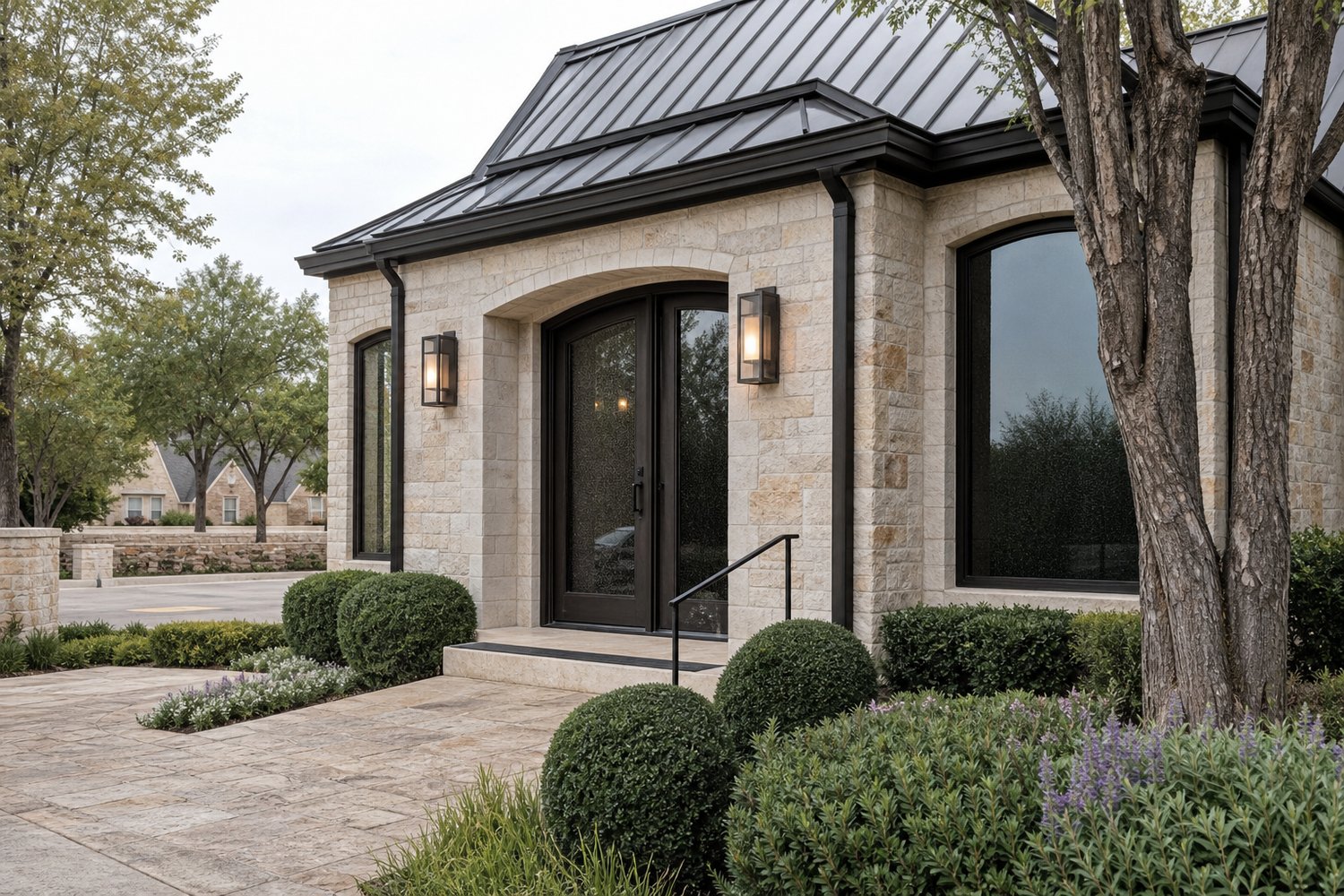
Colleyville’s Secondary Dwelling Unit approval is not one yes or no. City zoning, building permits, and your HOA or deed restrictions each have a say, and any one can stop a project. Confirm all three for your exact parcel before you design, buy, or price a home around one.
What should homeowners know about Colleyville’s Secondary Dwelling Unit approval?
Colleyville’s Secondary Dwelling Unit approval is a layered process: the city’s zoning rules, the building permit, and your HOA or recorded deed restrictions all have to say yes. Passing one does not carry you through the others. Check all three for your specific lot before you spend money on plans or count the unit in your pricing.
Key Takeaways
- Colleyville homes had a median sale price of $940,000, with 36 average days on market and 84 homes sold in the three months ending September 2026, so any added structure sits inside a high-value lot and a high-expectation buyer pool.
- City approval does not settle whether your HOA, plat, or deed restrictions allow a secondary dwelling or how you may use it.
- No verified Colleyville sale-price premium exists for an approved secondary dwelling, so do not budget around a promised value bump.
- A permitted, code-compliant unit is a stronger asset than an unpermitted one, and the difference shows up fast when a buyer’s lender, appraiser, or inspector asks for paperwork.
- The rules that matter are the ones the city has on file the day you apply, so confirm them directly with Colleyville’s planning and building staff.
If you own in Colleyville, or you are buying here and a guest house or detached suite is on your wish list, Colleyville’s Secondary Dwelling Unit approval is worth understanding before anything else. I have spent thirty years in this metro, and the pattern is consistent. The owners who get the best outcome find out what is allowed on their parcel first, then decide whether the project makes sense.
How does Colleyville’s Secondary Dwelling Unit approval work?
Approval runs through several separate gatekeepers, and each one controls something different. The city decides whether the use is allowed on your lot, the permit process decides whether the structure meets code, and your HOA or deed restrictions decide whether the structure and its use are allowed in your subdivision.
I am not going to paraphrase ordinance language here, because the version that governs your project is the one the City of Colleyville has on file when you apply. Zoning rules on secondary dwellings have been a live topic across North Texas suburbs, and details can change. Treat any summary you read online, including this one, as a map of the questions to ask rather than a final answer.
What are the layers of approval?
| Layer | What it controls | Where to confirm |
|---|---|---|
| City zoning | Whether a secondary dwelling is allowed on your lot and under what conditions | City of Colleyville planning and zoning staff |
| Building permit | Structure, utilities, and code compliance | City of Colleyville building department |
| HOA or deed restrictions | Whether the structure and its use are allowed in your subdivision | Your recorded declaration, plat, and HOA |
| Lender and insurer | How the unit is treated for financing and coverage | Your lender and insurance agent |
Do I need a hearing or a special permit?
It depends on how the city classifies what you want to build and where your lot sits. Some projects can move through staff review. Others may need a public process. I will not guess which applies to you. Ask the city directly, in writing if you can, and keep the response with your property file.
Is a guest house the same as an accessory building or a secondary dwelling?
Not necessarily. Cities draw lines between a detached garage, a pool house, a guest house, and a unit that works as a separate dwelling. Features like a kitchen, separate utilities, or a separate entrance can change which category your structure falls into. That classification drives the approval path, so settle it with the city before you finalize a floor plan.
Does an approved secondary dwelling increase Colleyville home value?
Sometimes it helps, but it is not automatic, and I am not aware of a verified Colleyville premium I can hand you as a percentage or dollar figure. Value depends on legal status, design quality, privacy, parking, how utilities are set up, and whether buyers at your price point actually want the extra space.
What does the Colleyville market look like around it?
The most recent portal report I have, from September 2026, shows a Colleyville median sale price of $940,000, an average of 36 days on market, and 84 homes sold over the prior three months. For a wider view, a Community Impact discussion of the first-quarter 2026 DFW housing report cited a March median of $1.05 million in ZIP code 76034, which covers Colleyville. Across the metro, first-quarter pricing was down 2.8% year over year.
Those numbers tell you the lot you are building on is already valuable. They do not tell you what a guest house adds. For comparison, the September 2026 Keller report showed a $690,000 median, a reminder that value swings a lot from one city to the next even inside the same school-district-sized area of the metro. Buyers at the upper end are comparing your property to other finished, well-presented homes, not to a spreadsheet of square footage.
What helps value and what hurts it?
- Helps: a permitted, code-compliant structure with clear paperwork, quality finishes that match the main house, and a layout that does not crowd the yard or compromise privacy.
- Helps: flexibility. A buyer who wants a home office, guest space, or room for a visiting relative may see it as usable square footage.
- Hurts: an unpermitted or partially permitted build. A buyer’s lender, inspector, or appraiser can raise it, and it can slow or reshape a deal.
- Hurts: a structure that eats most of the usable yard, strains parking, or adds maintenance a buyer does not want.
If you are thinking about resale, I would read my breakdown of luxury home resale value in Southlake, Colleyville, and Keller alongside this one. And for context on price direction, see how home prices are trending in the Southlake–Colleyville area.
What are the lifestyle and investment trade-offs?
The upside is flexibility. The trade-offs are less yard, more traffic and parking, and added responsibility. None of these are measured local statistics, so weigh them against your own lot and your own plans.
What do you gain?
- A separate space for guests, a home office, or a relative who stays for extended periods.
- A buyer-appeal feature if it is permitted, well built, and well placed.
- Options that a single main house does not give you.
What do you give up?
- Yard area and, on some lots, privacy from your own windows or your neighbors’.
- Simplicity. More structure means more upkeep, more utility questions, and more to disclose to a future buyer.
- Predictability if you plan to rent it. Landlord and tenant dynamics, even with someone you know, are a different commitment than owning a home.
Can I rent a Colleyville secondary dwelling?
Do not assume you can. Whether you can rent it, to whom, and for how long can be governed by city rules, your HOA, and your deed restrictions separately. Short-term rental questions in particular are their own category. Get a written answer from each before you count rental income in any investment math.
If you are still deciding whether Colleyville is the right fit overall, my write-up on what daily life in Colleyville actually feels like covers commutes and community in plain terms.
How do I check my property before I build or buy?
Start with documents, not a contractor. Pull your plat, recorded declaration, HOA rules, and survey, then ask the city what is allowed on your parcel. This order matters because the cheapest time to learn a project will not work is before anyone draws it.
What should I do, in order?
- Read your HOA documents and deed restrictions. City approval does not override them, and they can add requirements the city never asks about.
- Ask the City of Colleyville in writing what applies to your lot and how your proposed structure would be classified.
- Confirm the approval path and timeline with the city rather than relying on someone else’s experience. Timelines vary by project and parcel.
- Talk to your lender and insurance agent about how a secondary dwelling is treated before you commit.
- Keep every approval, permit, and final inspection record in one file. A future buyer will want it.
What if I am buying a home that already has one?
Ask for the permit history and confirmation that the structure was approved for the way it is being used. A guest house that looks finished is not necessarily a legal one. This is exactly the kind of question I walk my buyers through before we write an offer, and it is one I ask on listings I show. If you are comparing properties, my piece on reading Colleyville luxury listings covers what to look for beyond the photos.
Whether Colleyville’s Secondary Dwelling Unit rules help or hurt your plan comes down to your lot, your documents, and your timeline. A short conversation can save you from a costly detour.
FAQ
Can I build an accessory dwelling unit on my Colleyville property without a zoning hearing?
It depends on how the city classifies your project and where your lot sits, so confirm with the City of Colleyville before you assume either way. Some projects may be handled at staff level and others may need a public process. Get the answer in writing and check your HOA documents separately.
Can a Colleyville secondary dwelling have a kitchen, separate utilities, or a separate entrance?
Those features can change how the city classifies the structure, which in turn changes the approval path. Ask the city about each one specifically before you finalize plans. Your HOA or deed restrictions may also limit them.
How long does Colleyville’s accessory-dwelling approval process take?
The timeline depends on the project, the lot, and which reviews apply, so ask the city for a realistic range based on your plans. Build in time for HOA review as well, since it runs on its own schedule. I would rather you plan for a longer process than count on a fast one.
Will an approved secondary dwelling increase my property’s resale value?
It can broaden your buyer pool, but there is no verified Colleyville premium I can promise you. Value depends on permits, design, privacy, parking, and what buyers at your price point want. A permitted, well-built unit is a stronger asset than an unpermitted one.
Do HOA restrictions in Colleyville override or add requirements beyond city zoning approval?
Yes, they can add requirements, and city approval does not settle them. Your recorded declaration, plat, and HOA rules are separate documents with separate authority. Review them for your specific property before you design anything.
Next step
Colleyville’s Secondary Dwelling Unit approval is a three-part check: city zoning, permits, and your HOA or deed restrictions. Do it before you build, buy, or price a home around one. I will help you pull the right documents, line up the questions for the city, and think through how the unit would be viewed at resale. Schedule a consultation and we will look at your specific parcel together.