

Why Staging Matters More Than You Think (Even in a Strong Market)
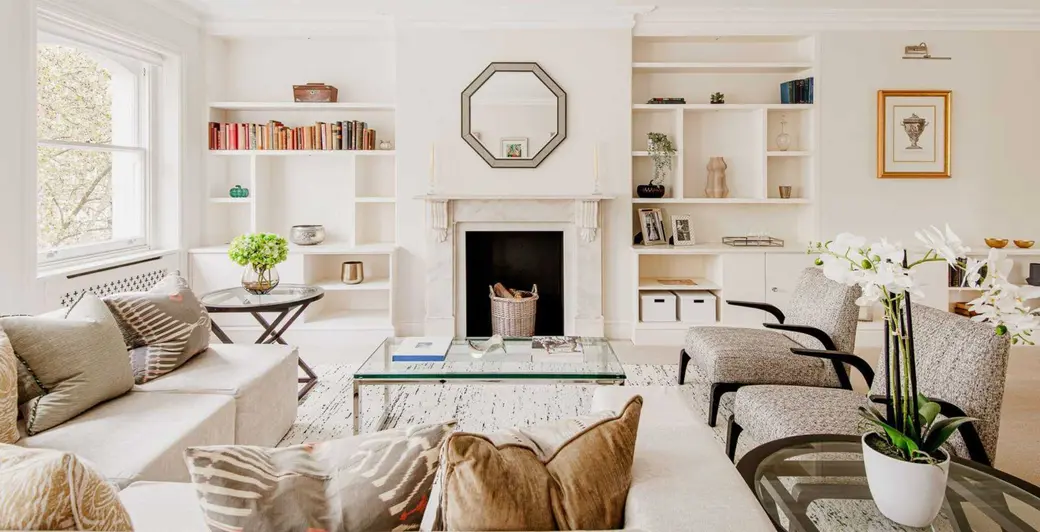
In a strong real estate market, it is easy to assume that homes will sell quickly no matter what. Inventory is tight. Buyers are motivated. Multiple offers still happen. With all of that momentum, many sellers wonder if staging is really necessary.
It is a fair question. And the honest answer is this. Staging matters more now than many people realize.
Even in competitive markets, buyers are still emotional decision-makers. They scroll listings at night. They form opinions in seconds. They walk into homes already comparing them to three others they saw earlier that day. Staging is not about making a home look fancy. It is about helping buyers understand how a space could support their life.
My role is not to tell sellers what they should do. It is to give them the tools and information to decide what feels right for their goals, timeline, and comfort level. With that in mind, let us look at why staging continues to play a critical role, even when demand is high.
First Impressions Still Drive Buyer Decisions
Most buyers encounter a home for the first time online. Photos are the first showing. If those photos do not spark interest, buyers often move on without ever booking a tour.
Staging helps create visual clarity. It allows rooms to feel intentional instead of empty or crowded. Buyers are not trying to imagine where the couch might go or whether the dining table fits. They see it instantly.
Everyone responds to space differently. What feels comfortable and inviting to one buyer may feel cold or confusing to another. Staging does not aim to please everyone. It helps more people quickly understand the potential of the home.
Many of my clients like to compare listing photos side by side in their online searches. Homes that are staged tend to stand out. They feel easier to understand. That ease matters more than most people expect.
If you are thinking about selling and want guidance tailored to your goals, you can explore your options here.
Staging Helps Buyers Understand Scale and Function
Empty rooms can be surprisingly misleading. Without furniture, buyers often misjudge size. A bedroom can feel smaller than it actually is. A living room can feel awkward even if it is well-proportioned.
Staging answers silent questions buyers may not even realize they are asking.
Can a king bed fit here.
Is there room for a desk.
Where would we gather as a family.
Rather than telling buyers what they should do, staging gives them visual tools to decide if the home fits their needs. It supports different lifestyles without making assumptions.
What feels functional to one household may feel limiting to another. Staging simply provides a neutral starting point.
A Strong Market Does Not Eliminate Competition
Even when homes are selling quickly, buyers still compare. Your home is not competing against the entire market. It is competing against the three or four other listings a buyer sees that weekend.
In strong markets, small differences often influence which home gets the strongest offer. Buyers may overlook flaws more easily, but they still gravitate toward homes that feel cared for and thoughtfully presented.
Staging signals effort. It suggests that the seller prepared the home intentionally. That perception can subtly influence how buyers view value.
Many clients like reviewing market data to see how staged homes compare to unstaged ones in terms of time on market and sale price. I am always happy to share those resources so sellers can analyze the information the same way I would if I were selling my own home.
Staging Supports Pricing Confidence
Price is one of the most emotional parts of selling. Sellers want to maximize value. Buyers want to feel justified in what they are paying.
Staging helps bridge that emotional gap. A well-presented home feels easier to price confidently. Buyers are less likely to fixate on small imperfections when the overall experience feels cohesive.
This does not mean staging guarantees a higher price. Markets shift. Buyer preferences evolve. What staging does is reduce friction. It helps the home align visually with its price point.
Everyone defines value differently. Some buyers prioritize layout. Others care most about light, storage, or flow. Staging does not decide those priorities for them. It simply helps the home present its best version so buyers can decide what matters most.
Photos and Showings Work Together
Online photos get buyers in the door. In-person showings seal the impression. Staging supports both.
During showings, buyers are constantly processing information. They are checking room sizes, natural light, and how the home feels as they move through it. A staged home provides subtle guidance without pressure.
Instead of saying, “This room is meant to be a nursery” or “This is a great office,” staging shows possibilities without forcing a narrative. Buyers can imagine their own version of life there.
What feels right to one buyer may not feel right to another. That flexibility is exactly why staging works.
If you enjoy learning how buyers think and how to prepare strategically click here.
Staging Can Reduce Stress During the Selling Process
Selling a home can feel overwhelming. There are timelines, decisions, and emotions involved. Staging often brings structure to the process.
It gives sellers a clear checklist. Declutter here. Adjust lighting there. Create breathing room in key spaces. That clarity can reduce second-guessing.
Many sellers tell me they feel more confident once staging is complete. They know they have done what they can to present the home thoughtfully. That confidence matters during negotiations and showings.
I encourage sellers to approach staging the same way they would any other decision. Gather information. Review examples. Decide what aligns with your comfort level. There is no single right approach.
Professional Staging vs. Strategic DIY
Not every home needs full professional staging. Some benefit from partial staging. Others simply need thoughtful edits using what the seller already owns.
What matters is intention. Removing distractions. Highlighting strengths. Minimizing elements that pull focus away from the home itself.
I always encourage clients to explore different options and costs before deciding. Some like reviewing before-and-after photos from similar homes. Others prefer looking at local market data.
I am happy to share resources so you can research staging approaches the same way I would if I were preparing my own home for sale.
Staging Is About Helping Buyers Decide, Not Persuading Them
At its core, staging is not about manipulation. It is about clarity.
Buyers are not looking to be convinced. They are looking to feel comfortable making a decision. Staging helps reduce uncertainty by presenting a home in a way that feels easy to understand.
Everyone defines comfort differently. What feels welcoming to one person may feel neutral to another. That is okay. Staging does not replace personal preference. It simply removes unnecessary barriers.
When buyers can focus on how a home fits their life, rather than on visual clutter or confusion, decisions tend to come more naturally.
Trust Is Built Through Transparency and Tools
My approach is always to guide, not dictate. Whether we are talking about pricing, staging, or market conditions, I believe sellers should have access to the same information I use.
That might include local sales data, photo comparisons, or examples of how similar homes performed with different presentation strategies.
Many clients like reviewing third-party tools and market reports so they can interpret the data themselves. I am always happy to share resources and walk through them together.
The goal is not to tell you what to do. It is to help you decide what makes sense for your situation.
If you would like to hear from others who have navigated this process, you can explore client experiences here.
Final Thoughts. Why Staging Still Matters
Even in strong markets, presentation matters. Staging supports buyer understanding, confidence, and emotional connection. It does not replace good pricing or strong marketing. It complements them.
Staging is not about perfection. It is about intention. It gives buyers tools to see possibility without pressure.
If you are considering selling, the best first step is information. Understanding how staging fits into your overall strategy allows you to make decisions that align with your goals, timeline, and comfort level.
When you are ready to explore what that could look like for your home, I am here to help guide the process.
If you are thinking about selling and want a thoughtful, data-informed approach to preparing your home, I would love to be a resource for you. Learn more about your next steps here: https://amyspockrealtygroup.com/
Categories
Recent Posts




GET MORE INFORMATION