

The Small Changes That Can Make a Big Difference Before Listing Your Home
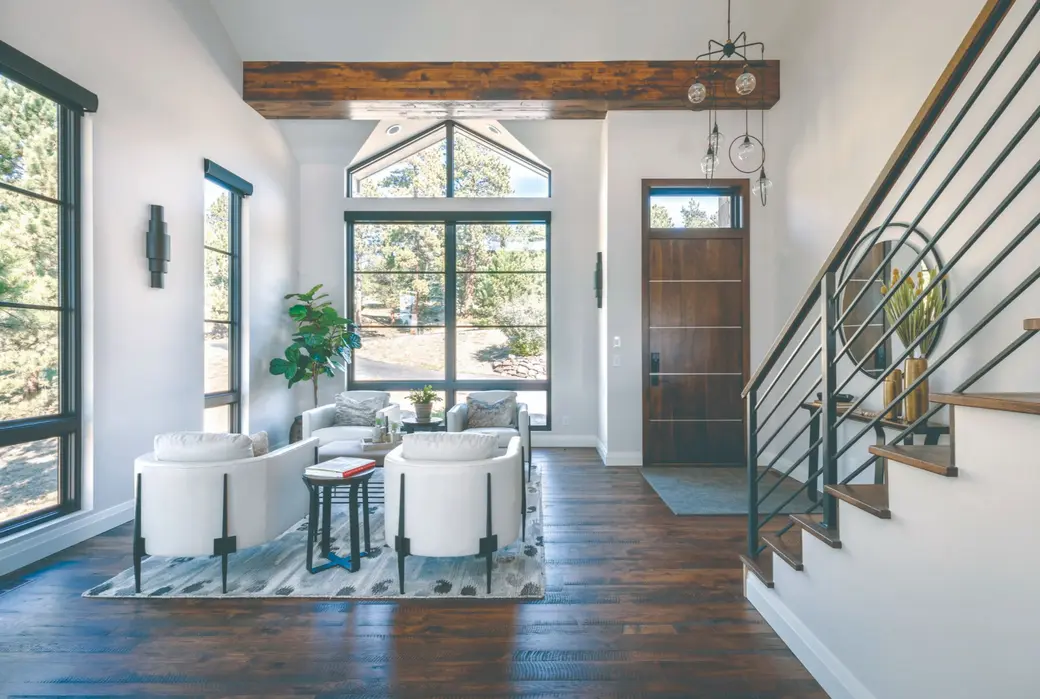
When homeowners start thinking about selling, the first instinct is often to ask,
“Should we renovate?”
But in most cases, the better question is,
“What actually influences how a buyer feels when they walk through our home?”
Because that is what drives decisions.
Not just square footage. Not just upgrades. But perception.
The homes that stand out are not always the most updated. They are the ones that feel clear, intentional, and easy to understand.
This is where small changes come in.
They shape how buyers experience your home. And that can influence everything from how quickly it sells to how strong the offers are.
First Impressions Are Not Just Visual. They Set Expectations
Before a buyer walks through your front door, they are already forming expectations.
What they see outside creates a mental baseline for what they expect inside.
If the exterior feels:
- Clean and maintained, buyers assume the interior is the same
- Neglected or inconsistent, buyers start looking for issues
This is not always logical, but it is very real.
Small exterior changes that matter more than people think:
- Edging the lawn and defining landscaping lines
- Cleaning or repainting the front door
- Updating light fixtures or hardware if they feel dated
- Power washing surfaces that have dulled over time
None of these are major investments. But together, they signal care.
And that signal carries into every room the buyer walks through.
Decluttering Is About Reducing Friction, Not Just Removing Stuff
Decluttering is often explained as “making the home look bigger.”
But there is a deeper reason it works.
Clutter creates friction.
It slows buyers down. It makes it harder for them to process the space. It introduces distraction.
When a buyer walks into a room, they are subconsciously asking:
- How would I use this space
- Does this layout make sense
- Can I see myself here
If there are too many objects, furniture pieces, or personal items, those questions become harder to answer.
A more effective approach to decluttering:
- Remove anything that interrupts the flow of the room
- Keep only what supports the purpose of the space
- Edit, not just organize
For example:
A dining room should clearly feel like a dining room.
A home office should clearly feel like a workspace.
Clarity builds confidence. And confidence leads to stronger offers.
If you want more practical breakdowns like this on preparing, buying, or selling, you can explore more here:
https://amyspockrealtygroup.com/blogs
Light Is One of the Most Underrated Value Drivers
Lighting does more than brighten a room. It affects how space is perceived.
A well lit home tends to feel:
- Larger
- Cleaner
- More open
A poorly lit home can feel smaller, even if the square footage is the same.
There are three layers to think about:
- Natural Light
Maximize what you already have. Open curtains, remove heavy window treatments, clean windows thoroughly. - Ambient Lighting
This is your main lighting source. Make sure bulbs are consistent in color temperature. Mismatched lighting can make a home feel disjointed. - Accent Lighting
Lamps and smaller fixtures help eliminate dark corners and create a more balanced feel.
These are small adjustments. But they directly impact how buyers experience space.
Neutralizing the Space Helps Buyers Personalize It Faster
When buyers walk into a home, they are not just observing. They are imagining.
The easier it is for them to picture their own life in the space, the more connected they feel.
Highly personalized design can interrupt that process.
This does not mean removing all personality.
It means reducing elements that:
- Limit imagination
- Feel too specific to one taste
- Distract from the structure of the home
Strategic updates that help:
- Repainting bold walls to neutral tones
- Simplifying decor in key areas like living rooms and kitchens
- Removing niche or themed design elements
Neutral does not mean empty. It means flexible.
Small Repairs Influence Perceived Risk
Buyers are not just evaluating what they see. They are estimating what they might have to deal with after closing.
Small visible issues can create a bigger perception of risk.
For example:
- A dripping faucet may lead a buyer to wonder about plumbing overall
- A loose cabinet handle may make them question maintenance habits
- Minor wall damage can signal neglect
Even if these are isolated issues, they affect confidence.
Addressing small repairs does not dramatically increase value on paper.
But it reduces hesitation. And that matters just as much.
If you want to see how preparation impacts real results and experiences, you can read client stories here:
https://amyspockrealtygroup.com/reviews
Clean Is Not Just About Appearance. It Is About Emotion
A clean home communicates something beyond hygiene.
It signals that the home has been cared for.
Buyers may not consciously say it, but they feel it.
Areas that carry the most weight:
- Kitchens. Especially countertops, sinks, and appliances
- Bathrooms. Including grout, mirrors, and fixtures
- Flooring. Whether carpet, tile, or wood
Also consider scent.
A home that smells neutral and fresh creates a more comfortable experience.
This is one of the simplest ways to elevate how your home is perceived without changing anything structurally.
The Shift From Owner to Seller Changes Everything
One of the hardest but most important shifts is this.
You are no longer living in the home as the owner. You are preparing it as a product.
That shift affects decisions like:
- What stays and what gets removed
- What gets fixed and what gets left as is
- How rooms are presented
It can help to walk through your home with a different lens.
Ask:
- Is the purpose of each space clear
- Is anything distracting or confusing
- Does anything feel unfinished
Even better, have someone else walk through and share honest feedback.
You will notice things you have become used to.
Not Every Upgrade Is Worth It. Strategy Matters More Than Effort
This is where many sellers overcomplicate things.
They assume more updates equal a better outcome.
But not all upgrades deliver a return.
Before making changes, it helps to ask:
- Will this improve how buyers perceive the space
- Will this help the home show better in photos and in person
- Is this aligned with the price point of the home
Sometimes, a $500 change can have more impact than a $10,000 renovation.
The goal is not to do more. It is to do what matters.
If you want help deciding which changes actually make sense for your home and your goals, you can start here:
https://amyspockrealtygroup.com/listing
If You Are Selling and Relocating, Think About What Comes Next Too
For many homeowners, selling is just one part of a bigger transition.
If you are also thinking about where to move next within the Dallas Fort Worth area, this can help:
A Guide to Fort Worth’s Most Popular Suburbs:
https://amyspockrealtygroup.myflodesk.com/aguidetofortworthsmostpopularsuburbs
It breaks down different areas so you can start evaluating what might align with your lifestyle.
Final Thoughts
Preparing your home for sale is not about perfection.
It is about clarity, confidence, and presentation.
The homes that perform well are not always the newest or the most updated.
They are the ones that feel easy to understand. Easy to walk through. Easy to imagine living in.
Small changes create that experience.
And when buyers feel confident, their decisions reflect it.
If you are thinking about selling and want a clear, practical plan tailored to your home, your timeline, and your priorities, you can start here:
https://amyspockrealtygroup.com/
Categories
Recent Posts










GET MORE INFORMATION